
What to Expect During a Residential Excavation Project
The initial stages of any construction project often involve a crucial but overlooked phase: excavation. Comprehending the intricacies of the excavation process is vital for homeowners embarking on a construction journey. This understanding not only prepares you for the physical transformation of the site but also equips you with the knowledge to manage timelines and budgets effectively. With about 235,000 excavation and site development contractors operating throughout the U.S., according to Siteline, residential excavation is the foundational work upon which your entire construction project relies. As such, familiarizing yourself with what to expect when working with excavation contractors can enhance coordination, minimize unforeseen issues, and lead to a successful construction project.
Preparation and Planning
Site Survey and Assessment
The first step in any residential excavation project is a thorough site survey and assessment. This involves topographical surveys by the excavation contractors to understand the site's contour and soil composition. Surveyors and geotechnical engineers evaluate factors such as drainage systems, utility lines, and zoning restrictions. These assessments are crucial in identifying potential struggles before the digging begins. Proper site survey and assessment prevent costly mistakes and ensure the excavation aligns with architectural designs and local regulations.
Permits and Regulations
Before any excavation work can commence, acquiring the necessary permits and understanding regulations is essential. Permits, depending on local jurisdictions, might include land disturbance permits, water management permits, or tree removal permits. Adherence to regulations such as those set forth by the Environmental Protection Agency (EPA) and local wildlife protection agencies is imperative. Failure to obtain the correct permits by excavation contractors can lead to fines or project shutdowns. Involvement of knowledgeable professionals can streamline this process, ensuring compliance and legal protection.
Project Timeline and Scheduling
Efficient project management by excavation contractors involves a well-structured timeline and schedule. Setting realistic timelines includes accounting for variables like weather conditions and potential delays in obtaining permits. Detailed scheduling involves coordination between various stakeholders, including contractors and material suppliers. This coordination is critical to ensuring that each phase of the excavation is completed on time, within the allocated budget. Clearly communicated schedules contribute to a seamless progression from excavation to construction phases.
Excavation Equipment and Techniques
Types of Excavation Equipment
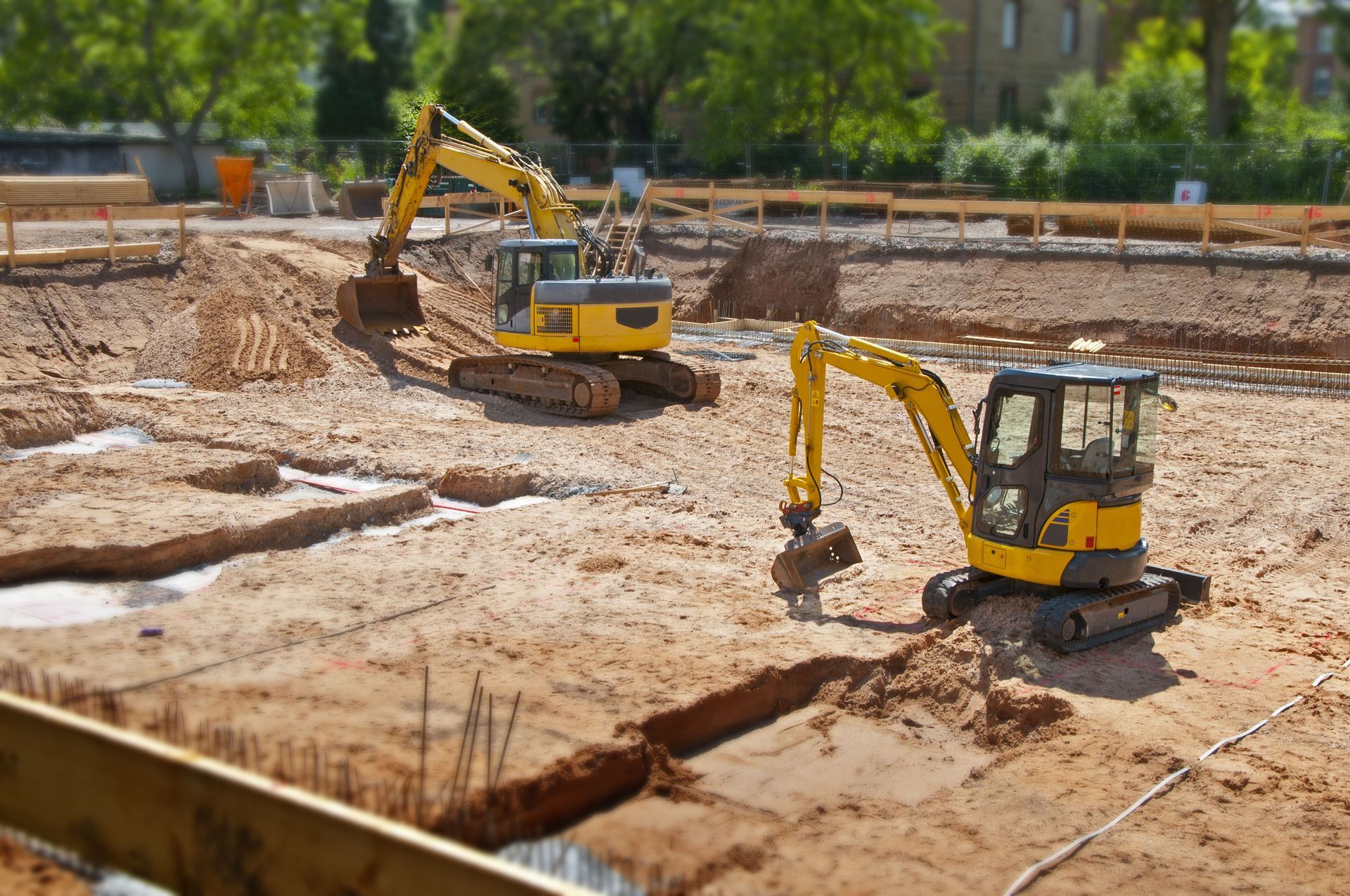
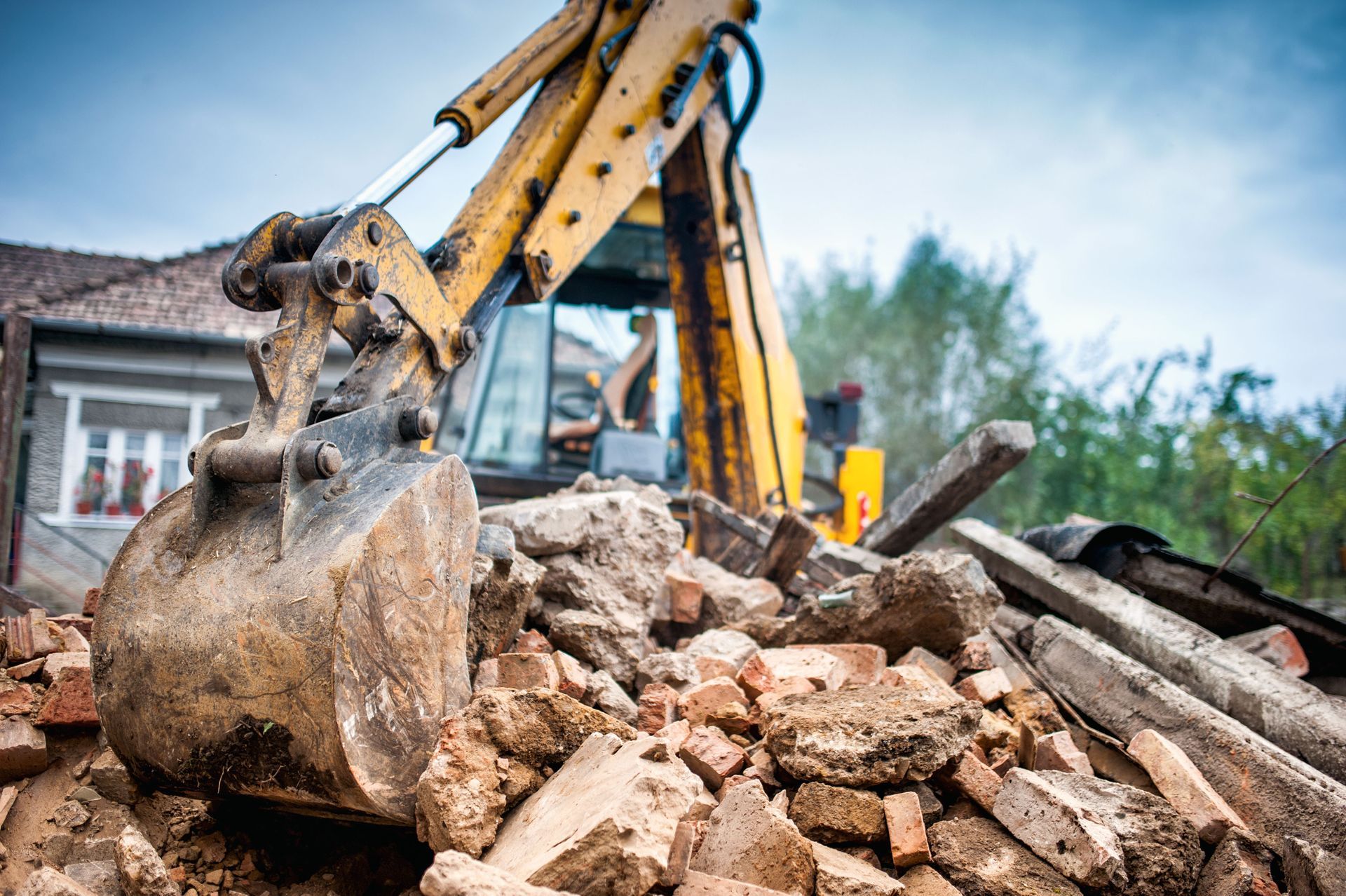
Excavation contractors rely on diverse machinery, each suited for different tasks and site conditions. Common equipment includes backhoes, bulldozers, and excavators, each offering distinct advantages in earthmoving capabilities. Equipment selection depends on factors like site accessibility and the project's scale. Modern machinery, equipped with advanced features, enhances efficiency and safety. Expertise in equipment use ensures that the excavation process proceeds smoothly and effectively.
Site Access Considerations
Site access is a critical factor in planning excavation projects. Accessibility determines the type of machinery that can be used and how materials are transported. Challenges such as uneven terrain or narrow access points can require specialized equipment and techniques. Preparation might include creating temporary roads or designing innovative pathways. Addressing site access issues early prevents logistical challenges and ensures seamless project execution.
Safety Protocols and Procedures
Safety is a paramount concern for excavation contractors, necessitating robust protocols and procedures. These include hazard assessments, protective equipment for workers, and secure site boundaries. Adhering to standards set by the Occupational Safety and Health Administration (OSHA) minimizes risk and promotes a safe working environment. Regular safety audits and worker training programs fortify these protocols. Prioritizing safety upholds worker well-being and mitigates project disruptions or legal liabilities.
Excavation Process Overview
Site Preparation and Clearing
Site preparation by excavation contractors begins with clearing various obstructions such as vegetation, rocks, and debris. This phase lays the groundwork for marking and subsequent excavation activities. Site preparation also involves grading the ground to establish a stable base for future construction. The process is meticulous and ensures all unwanted materials are removed efficiently. Proper site preparation sets the stage for effective and unobstructed excavation work.
Marking Excavation Area
Marking the excavation area is a critical step that defines the boundaries of digging operations. Surveyors use stakes, flags, and other markers to outline the exact area for excavation. Accurate markings are essential to prevent working beyond designated boundaries, reducing the risk of collateral damage. This phase requires precision and coordination among surveyors, engineers, and workers. Clear and precise marking leads to more efficient excavation and minimizes potential conflicts.
Actual Digging Procedures
The actual digging procedures involve the core excavation activities using heavy machinery and skilled operators. Excavators and bulldozers systematically remove soil, adhering to safety protocols and structural plans. Operators must be adept in maneuvering vehicles to dig at the correct depth and angle. Continuous supervision ensures adherence to excavation plans and prevents mishaps. Consistency in procedures leads to a successful extraction of earth materials, clearing the way for foundational work.
Challenges and Solutions
Common Excavation Challenges
Excavation contractors typically encounter various challenges, such as unexpected subsurface conditions or equipment breakdowns. Identifying potential hurdles early allows for preemptive planning to avoid costly delays. Collaboration with experienced contractors provides insights into past solution strategies. Technological advancements, such as ground-penetrating radar, assist in foreseeing underground obstacles. Addressing common challenges proactively enhances project execution and prevents budget overruns.
Soil Condition Management
Managing soil conditions is crucial as varying soil types require different handling techniques. Issues like soil instability, drainage issues, or compaction can impede smooth excavation. Employing soil stabilization methods ensures stability. Conducting soil tests before excavation aids in modulating strategies to tackle soil-related challenges. Effective management of soil conditions prevents inadvertent site damage and promotes seamless excavation activities.
Weather-Related Delays
Weather unpredictability contributes significantly to excavation delays, affecting timelines and costs. Rain, snow, or extreme temperatures can hamper equipment efficiency and worker safety. Developing a robust plan with contingencies for adverse weather ensures minimal disruption. Technological support, like weather forecasting tools, aids in strategic scheduling around inclement weather. Tactical adjustments to project timelines maintain steady progress despite environmental challenges.
Post-Excavation Considerations
Site Cleanup and Restoration
Once excavation activities conclude, site cleanup and restoration commence. Clearing remaining debris and reinstating affected landscapes is necessary to restore the site's integrity. Approaches include reseeding grass, repairing roadways, or pruning damaged vegetation. Effective cleanup not only beautifies the site but ensures readiness for construction phases. Partnering with landscape specialists can enhance restoration outcomes.
Final Inspections and Approvals
Final inspections by qualified excavation contractors validate that the site is safe and compliant with regulations. These inspections confirm excavation accuracy and the respectful treatment of existing utilities or natural features. Successful permit approvals follow these evaluations, granting authorization for continued construction. Handling these inspections attentively minimizes legal risks and promotes a smooth project transition. The approval process underscores the necessity of meeting outlined excavation standards.
Documenting Excavation Work
Maintaining accurate records of excavation activity enhances accountability and future project planning. Documentation includes detailed logs of equipment used, workforce hours, and material disposal. This archived information is invaluable for future reference or audits. Comprehensive documentation empowers stakeholders with insights into successful practices and potential improvements. Using digital tools streamlines record-keeping, facilitating effortless retrieval and distribution.
Residential excavation is a pivotal stage in any construction project. From preparation to execution, each phase demands careful attention to detail, coordination among stakeholders, and adherence to regulatory standards. By understanding what to expect during the excavation process, homeowners can effectively manage their projects from start to finish. Comprehensive planning, robust communication, and a commitment to safety are key components to successful excavation. If you're looking for residential excavation contractors you can rely on, choose our team at Dorsey Construction Services LLC. Contact us today to learn more!



Share On: